The Journey of Shri Ram
A 14-year odyssey across 3,000+ kilometers of the Indian subcontinent. Trace the 7 canonical books (Kandas) of Maharishi Valmiki’s Sanskrit epic, inspect the physical terrain from Ayodhya to Lanka, and explore the questions where ancient memory meets archaeology.
— "Rama is the personification of righteousness, virtuous, and of unfailing valor." (Valmiki Ramayana)
Bala Kanda
The Book of Beginnings, Celestial Lineage & The Bow of Shiva
The Narrative Arc
In the fertile basin of the Sarayu River, King Dasharatha of Ayodhya performs the Putrakameshti Yajna to obtain heirs for the Ikshvaku dynasty. Four sons are born: Rama to Queen Kausalya, Bharata to Queen Kaikeyi, and the twins Lakshmana and Shatrughna to Queen Sumitra. In their youth, Sage Vishwamitra arrives at court requesting Rama and Lakshmana to defend forest hermitages against predatory raiders led by Tataka and Maricha. Accompanied by Vishwamitra, the young princes journey east to Mithila for the Swayamvar of Princess Sita. Before an assembly of monarchs who failed to budge the legendary Pinaka bow of Lord Shiva, the youthful Rama not only lifts and strings it with effortless grace, but snaps it in two—uniting the dynasties of Kosala and Videha in a quadruple royal wedding.
Key Milestones & Turning Points
Linguistic and textual philologists (including Robert Goldman and Hermann Jacobi) widely identify Bala Kanda as having layers composed between the 2nd century BCE and 2nd century CE. The archaic core of the epic (Books 2–6) introduces Rama as an exemplary mortal prince (Maryada Purushottam), whereas Bala Kanda definitively establishes his cosmic identity as an avatar of Vishnu.
Complete Sequence of the 7 Books
Bala Kanda (बालकाण्ड)
Ayodhya (Kosala Kingdom) ➔ Mithila (Videha Kingdom, modern Janakpur, Nepal)The Book of Beginnings, Celestial Lineage & The Bow of Shiva
Ayodhya Kanda (अयोध्याकाण्ड)
Ayodhya ➔ Tamasa River ➔ Shringaverapur ➔ Prayagraj ➔ ChitrakootThe Book of Ayodhya, Palace Intrigue & The Vow of Exile
Aranya Kanda (अरण्यकाण्ड)
Dandakaranya Plateau ➔ Panchavati (Godavari Basin, modern Nashik)The Book of the Forest, Primordial Wilderness & The Abduction
Kishkindha Kanda (किष्किन्धाकाण्ड)
Pampa Sarovar ➔ Rishyamukha Hill ➔ Kishkindha (Tungabhadra Basin, modern Hampi)The Book of the Monkey Realm, Ancient Alliances & The Great Search
Sundara Kanda (सुन्दरकाण्ड)
Mahendra Giri (Tamil Nadu Coast) ➔ Palk Strait ➔ Lanka (Ashoka Vatika)The Book of Beauty, Hanuman’s Oceanic Leap & The Embassy to Lanka
Yuddha Kanda (Lanka Kanda) (युद्धकाण्ड (लंकाकाण्ड))
Rameshwaram / Dhanushkodi ➔ Ram Setu ➔ The Citadels of LankaThe Book of War, The Ocean Causeway & The Fall of Ravana
Uttara Kanda (उत्तरकाण्ड)
Ayodhya (Ram Rajya) ➔ Valmiki Ashram (Tamasa River) ➔ NaimisharanyaThe Book of Aftermath, The Ordeal of Sita & The Subterranean Return
Related Chronicles on The Confused Atheist
Explore in-depth investigative essays examining the literature, science, and archaeology of the epic tradition.
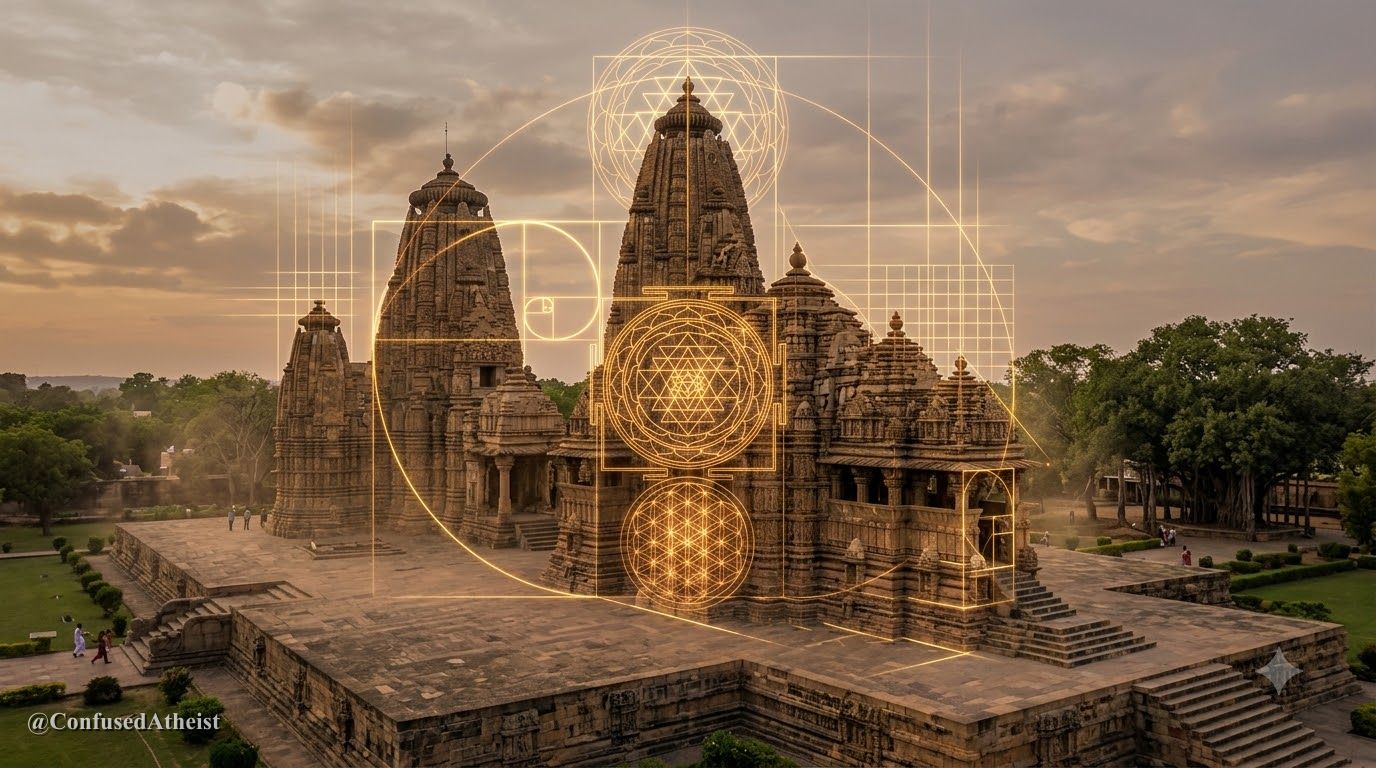
Three Hundred Ramayanas: How Asia Reimagined the Epic
From Buddhist parables to Jain non-violence and Thai court dance, how different civilizations shaped the narrative.
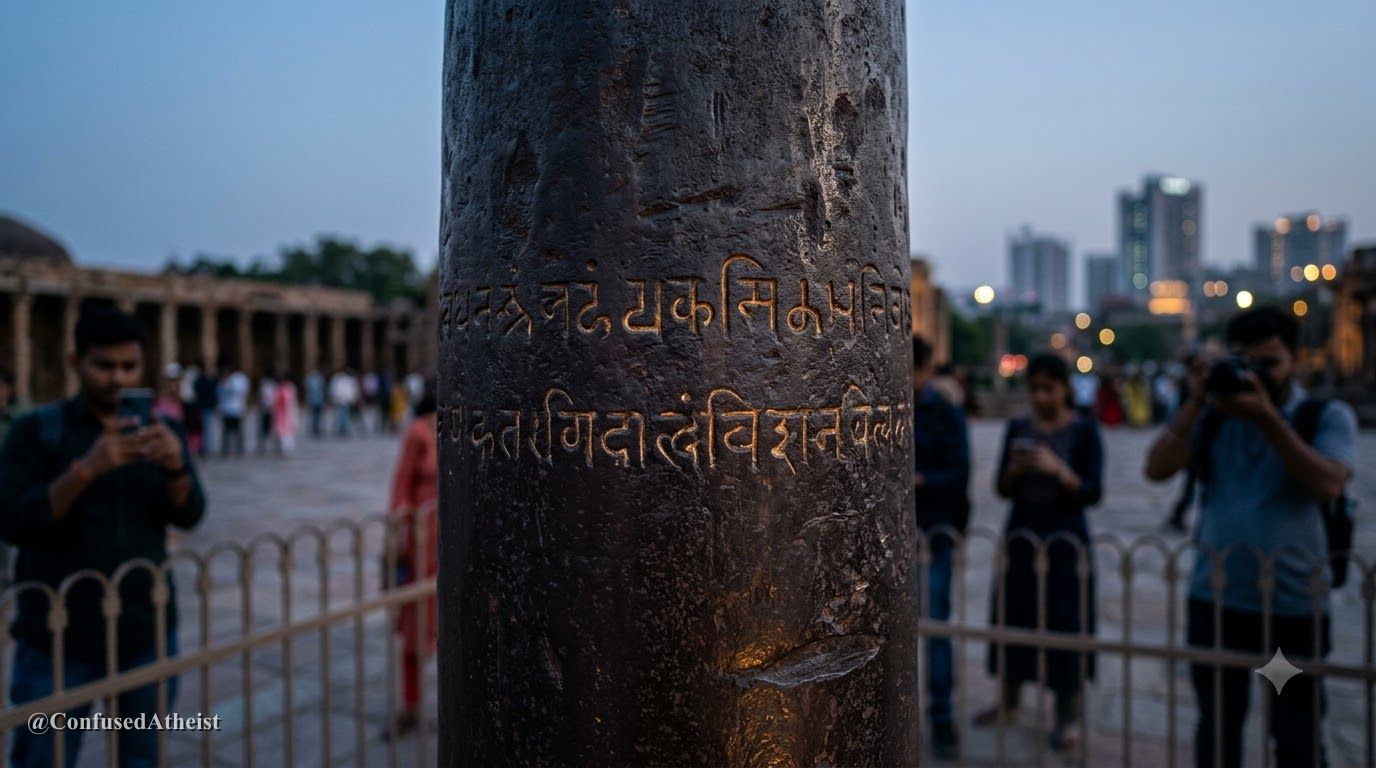
Valmiki vs Tulsidas: How 2,000 Years Transformed Rama
Tracing how two millennia shifted Rama from Valmiki’s mortal hero to Tulsidas’s omnipotent avatar of devotion.
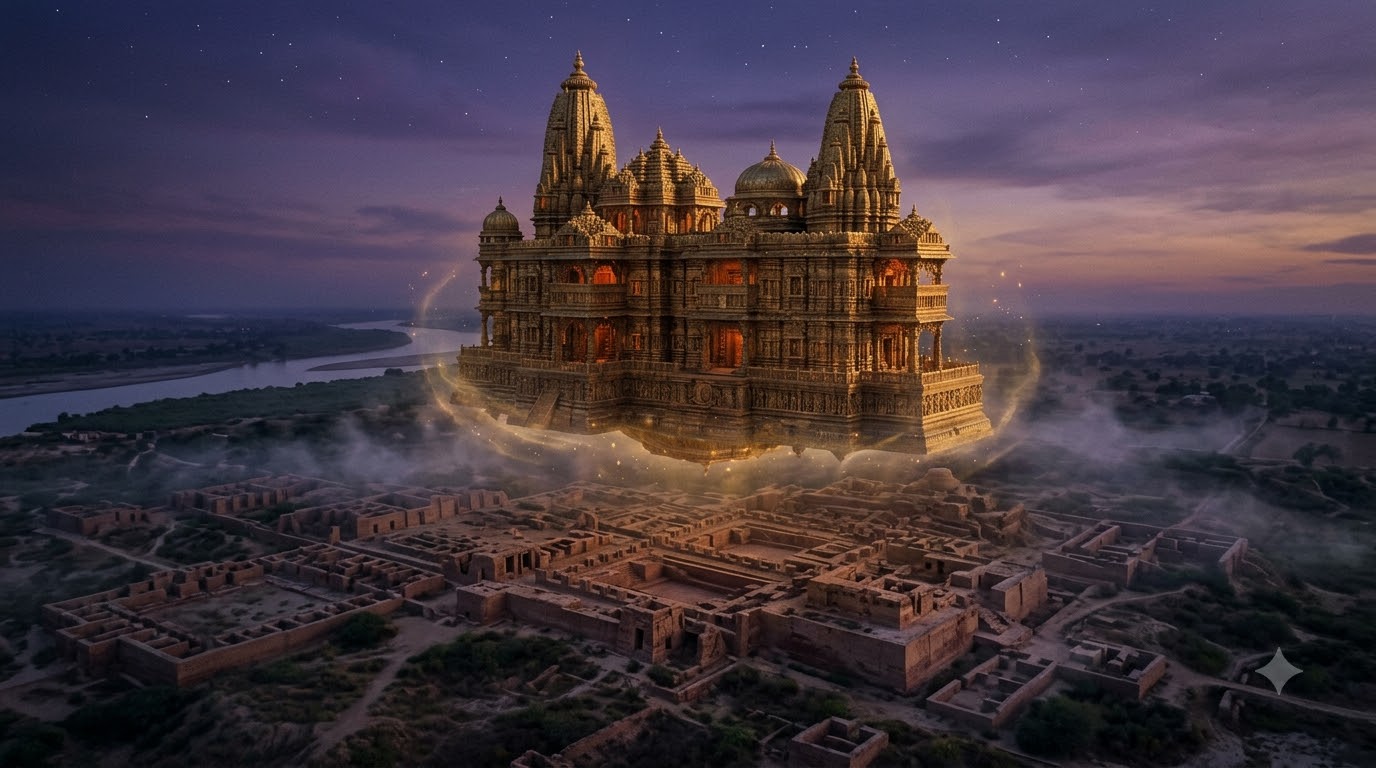
The Pushpaka Vimana: Ancient Aeronautics or Poetic Metaphor?
What happened when IISc aeronautical engineers rigorously tested the blueprints of ancient Sanskrit flying craft.